Career Guide
How to Become a Sterile Processing Technician
How Do You Become a Sterile Processing Technician?
To become a sterile processing technician, you meet a program's basic entry requirements, complete a course or certificate (the median non-credit course runs 13 weeks, the median credit certificate 32), log hands-on hours in a hospital sterile processing department, and pass a national exam: HSPA's CRCST or CBSPD's CSPDT. The CRCST needs 400 hands-on hours, and only 43 of 212 programs verified in November 2026 include all of them, so the way you get those hours shapes your whole route. Compare programs with the program finder.
How to Become a Sterile Processing Technician, Step by Step
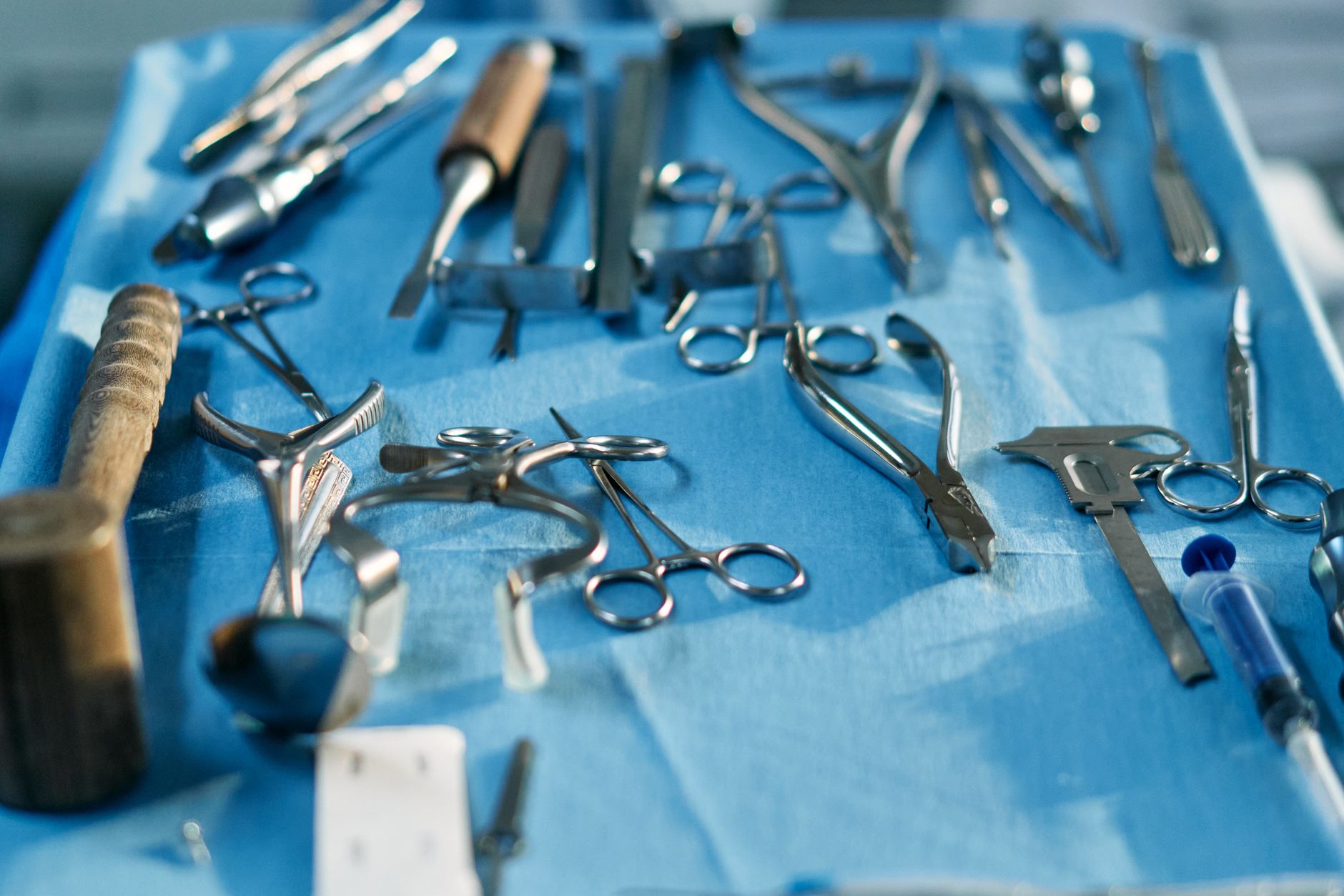
Sterile processing technicians clean, inspect, assemble, sterilize and store the instruments every surgery depends on. The steps have to happen in the right order. Here they are:
- Meet the entry requirements. Usually age 18, a high school diploma or equivalent, a background check, a drug screen and immunizations.
- Choose your route. A non-credit course, a credit certificate or diploma, or on-the-job experience in a hospital department.
- Log your hands-on hours. The CRCST needs 400 hours in a sterile processing department. Some programs include them; many do not.
- Pass a certification exam. HSPA’s CRCST ($140) or CBSPD’s CSPDT ($135), each with 150 questions.
- Land your first job in a hospital or surgery center sterile processing department.
- Keep your certification current. HSPA renews every year; CBSPD’s first certification lasts five years.
The rest of this guide covers each step with the facts that decide it, drawn from 212 programs at 204 schools verified in November 2026.
What Are the Sterile Processing Technician Requirements?
No degree is required to start, but the programs and hospitals that train you set their own entry checks. These come straight from school pages:
- Education. Pima Medical Institute and High Desert Medical College list a high school diploma or recognized equivalent. High Desert adds that you need no prior medical experience. A few non-credit courses skip the diploma: Anne Arundel Community College asks only that you be at least 18.
- Background check and drug screen. Expect both before any hospital placement. At Wilson Community College the background check and drug test are $120 of the $348 in course fees.
- Health and physical demands. H W Brewster Technical College in Florida requires a physical with immunizations and the ability to stand for long periods and lift 50 pounds.
- CPR. Some programs, such as Frederick Community College, require a current Basic Life Support card.
College certificates add academic steps. Expect placement tests, a minimum GPA or an information session. Some fill seats selectively: Southwestern College in California admits by random drawing, and Santa Fe College ranks applicants on a points system.
Program Route or Job Route?
There are three ways in, and the right one depends on where you are starting.
A non-credit course through a community college’s workforce division is the fastest and least expensive. The median non-credit course runs 13 weeks, and published prices start at $180. Wake Technical Community College in North Carolina charges $200 per section for 112 contact hours of CSPDT preparation. Non-credit courses don’t build toward a degree, and many leave you to find the 400 CRCST hours yourself.
A credit certificate or diploma takes longer (the median certificate runs 32 weeks) and costs more, but it earns college credit and is far more likely to include the full 400 clinical hours. That is the main advantage: you finish ready for full certification instead of provisional status.
The job route skips formal training. CBSPD accepts 12 months of full-time sterile processing work as one route to the CSPDT, and HSPA counts paid hours in a department toward the CRCST. This works best if you already work in a hospital, for example in environmental services, patient transport or as a surgery department aide, and can transfer into sterile processing.
| Route | Typical length | Hours toward the CRCST | Best for |
|---|---|---|---|
| Non-credit course | Median 13 weeks | Often fewer than 400 | Hospital staff who can log hours on the job |
| Credit certificate | Median 32 weeks | 28 of 122 certificates include 400+ | Career changers with no hospital connection |
| Diploma | Median 22 weeks | 2 of 20 include 400+ | Students who want a set schedule at a career school |
| Work in a department | 12 months for the CSPDT | Paid hours count | People already employed in the hospital |
Programs That Fit Your Situation
Programs are built for different starting points. These match the four most common situations.
You already work in a hospital. A short course plus hours logged on the job is the efficient path. Virginia Western Community College runs a 10-week hybrid course with day and weekend options for $3,198, including the textbook and the certification test. You then complete the 400 hours in a sterile processing department within six months of a provisional pass. J Sargeant Reynolds Community College offers competency-based credit for documented sterile processing work experience.
You have no healthcare experience. Pick a program that includes all 400 hours. Seattle Central College builds a 400-hour practicum at an assigned hospital into an 11-week certificate. Pima Medical Institute in Phoenix combines 345 class hours and 155 lab hours with a 400-hour clinical placement over 39 weeks.
You work days. Evening and weekend programs exist, though the clinical hours are often weekday shifts. Queensborough Community College runs an 80-hour evening hybrid course for $2,295, and eligible students can complete 400 hours with Northwell Health. Prince George’s Community College meets Monday and Wednesday evenings for an $840 course fee. Central Sterilization Solutions in California offers Wednesday evening and Saturday morning cohorts from $1,599.
You want college credit to build on. Pikes Peak State College in Colorado packs 18 credits and 400 clinical hours into 15 weeks. Yakima Valley College publishes a $3,074.45 total for 19 credits, including the $140 exam fee and a 400-hour clinical placement.
The Route to Your First Sterile Processing Job
- TrainFinish a sterile processing course or certificate69 non-credit courses and 143 credit programs verified; median 26 weeks
- PracticeLog hands-on hours164 programs include clinical time; 43 state the 400 hours full CRCST certification requires
- CertifyPass the CRCST or CSPDT examHSPA's CRCST or CBSPD's CSPDT; 120 programs name the CRCST, 46 the CSPDT
- WorkStart in a hospital sterile processing department$47,700 national median pay (BLS, May 2025)
Sterile Processing Programs by Credential
| Credential | Programs | Median length | Include clinical hours | Name the CRCST |
|---|---|---|---|---|
| Non-credit course | 69 | 13 weeks | 52 | 36 |
| Certificate | 122 | 32 weeks | 96 | 69 |
| Diploma | 20 | 22 weeks | 16 | 15 |
| Associate degree | 1 | 0 | 0 |
Counted from the 212 verified programs' own pages, November 2026. Length converted to weeks from each school's wording; blank cells mean too few programs state it.
How to Get the 400 Hands-on Hours
This is the step that trips up most new technicians. HSPA splits the 400 hours by task: 120 in decontamination, 120 preparing and packaging instruments, 120 in sterilization and disinfection, 24 in storage and distribution, and 16 in quality assurance. They must be done in a sterile processing department, paid or volunteer, and hours signed off by a technician or a private instructor don’t count.
You have three ways to get them:
- Inside your program. 43 of the 212 programs include 400 or more clinical hours. At Bergen Community College in New Jersey, a required 400-hour unpaid clinical internship comes with a choice of day, evening or overnight shifts.
- After a provisional pass. Pass the CRCST first, then log the 400 hours within six months. Miss the window and the provisional certification is forfeited. People already working or volunteering in a department can get a one-time two-month extension.
- On the job. If a department hires you before you’re certified, your paid hours count.
Partial hours help too. Concorde Career College in North Hollywood includes 80 hours toward the 400 and leaves graduates to complete the remaining 320. Map your own timeline with the CRCST hours planner.
Passing the Certification Exam
Both entry exams have 150 questions. The CRCST is computer-based, taken in person at a Prometric testing center, with three hours to finish. The CSPDT’s 150 questions include 25 unscored ones, and CBSPD takes applications on paper by mail.
Which one to take depends on your hours. With 400 hours, or a clear way to get them, take the CRCST: 120 of the 212 programs prepare you for it. With only a course behind you, the CSPDT lets you qualify now through its training-course route, provided you passed with a grade of 70 or higher. The sterile processing certification guide compares them in full.
Some programs include the exam fee, so you test without a separate bill. Community College of Rhode Island lists its course as free for accepted students, including books and the CRCST exam fee. Several schools also publish pass rates: Lorain County Community College reports 94.5% on the CRCST for 2024-2025, with 17 attempting.
Landing Your First Job and What It Pays
Most sterile processing technicians work in hospital sterile processing departments, sometimes called central service. Some clinical placements also run in surgery centers, as at Bergen. Check whether your state requires certification by law on the requirements by state guide.
The federal occupation is Medical Equipment Preparers. In May 2025 the Bureau of Labor Statistics counted 77,420 of them, with a median annual wage of $47,700, or $22.93 an hour. Pay rises steeply by state: the median was $61,370 in California and $57,320 in New York, against $46,970 in Texas. The sterile processing careers guide covers the work itself and where it can lead.
Keeping Your Certification Current
Certification isn’t a one-time step. HSPA requires 12 continuing education credits per year for the CRCST and a $50 renewal fee, which covers every HSPA credential you hold. CBSPD’s first certification is valid for five years.
Once you’re working, more credentials open up. HSPA’s Certified Endoscope Reprocessor (CER) doesn’t require the CRCST, while the Certified Instrument Specialist and Certified Healthcare Leader both build on a full CRCST plus experience. The CRCST certification guide has the details.
How to Choose Your Starting Point
Before you enroll, check each program against these points:
- Hours: does it include all 400 clinical hours, some of them, or none? If none, who will give you a department placement?
- Exam: which exam does it name, and is the fee in the price? 14 programs include it.
- Schedule: do the class times and the clinical shifts both fit your life?
- Total cost: what does the published price leave out (books, scrubs, background check, exam)? The course cost calculator adds it up.
- Length: see how long sterile processing training takes by program type.
Browse every verified program on the sterile processing technician programs page, or start with the affordable programs if cost comes first.
Frequently Asked Questions
Can You Become a Sterile Processing Technician Without a Program?
Yes, through work. CBSPD lets you sit for the CSPDT after 12 months of full-time sterile processing work, and HSPA counts paid hours in a sterile processing department toward the CRCST's 400. You need a department willing to take you on first, which is easier if you already work at the hospital.
Do You Need a High School Diploma?
Most programs ask for one. Pima Medical Institute and High Desert Medical College list a high school diploma or recognized equivalent. A few non-credit courses do not: Anne Arundel Community College in Maryland asks only that you be at least 18.
How Long Does It Take to Become a Sterile Processing Technician?
The median non-credit course runs 13 weeks and the median credit certificate 32 weeks, across the programs that publish a length. Add the time for 400 hands-on hours if your course does not include them, or the six months HSPA allows after a provisional pass.
Is Sterile Processing Hard to Get Into?
Most non-credit courses take anyone who meets the basic checks. Some college certificates are selective: Southwestern College in California fills its program by random drawing, and Santa Fe College ranks applicants on a points system.
Can You Work While Training?
Yes, if you choose the schedule carefully. 38 programs list evening sessions and 8 list weekend sessions. The clinical hours are usually on weekday shifts, so plan time off for that part.
Keep Reading
- How Long Training TakesHow many weeks, instruction hours and clinical hours sterile processing programs take, by credential, from verified program pages
- Sterile Processing CertificationThe two national sterile processing certifications, HSPA's CRCST and CBSPD's CSPDT, who can sit each exam and which programs prepare you for them
- CRCST Certification (HSPA)HSPA's Certified Registered Central Service Technician credential, its 400 hands-on hours, provisional status and the programs that prepare you
- CSPDT Certification (CBSPD)The Certification Board for Sterile Processing and Distribution's technician exam, the CSPDT title it earns and the programs that prepare you for it
- Best Sterile Processing Technician ProgramsEvery verified program, with the finder
Sources
- HSPA: CRCST application and eligibility
- HSPA: CRCST renewal
- CBSPD: SPD Technician certification exam (CSPDT)
- BLS: Occupational Employment and Wages, Medical Equipment Preparers (May 2025)
- Healthcare Sterile Processing Association (HSPA): certifications
- Certification Board for Sterile Processing and Distribution (CBSPD)
- U.S. Bureau of Labor Statistics, Occupational Employment and Wage Statistics, May 2025: Medical Equipment Preparers (31-9093)