2027 Rankings · Verified November 2026
Best Sterile Processing Technician Courses
What Are the Best Sterile Processing Technician Courses?
McHenry County College (Crystal Lake, IL) ranks first, with a score of 87 of 100. 69 sterile processing programs at 68 schools in 21 states fit this ranking, each checked on the school's own site in November 2026. 69 are non-credit courses and 0 are credit certificates, diplomas or degrees. 52 include clinical hours, and 13 state 400 or more, the hands-on total full CRCST certification requires. Where the school publishes a price for the whole program, it runs from $180 to $4,850, with a median of $1,810. 13 programs include the certification exam fee or a voucher.
- programs
- 69
- schools
- 68
- include clinical hours
- 52
- states
- 21
- 400+ clinical hours
- 13
- median length
- 13 wk
- median published cost (49 priced)
- $1,810
Top Picks for Your Situation
| Pick | Program | Score | Published cost |
|---|---|---|---|
| Best overall | McHenry County College, Crystal Lake: Sterile Processing Technician TrainingNon-credit course · 400 clinical hours | 87 | $1,999 |
| Best for the CRCST's 400 hours | Community College of Baltimore County, Essex: Central Service Technician, Continuing Education Workforce CertificateNon-credit course · 400 clinical hours | 86 | $2,063 |
| Lowest published cost | Coastal Carolina Community College, Jacksonville: Central Sterile Processing TechnicianNon-credit course | 47 | $180 |
| Fastest | Los Angeles County College of Nursing and Allied Health, Los Angeles: Central Service Technician Certification Training ProgramNon-credit course · 7 weeks | 25 | |
| Best online or hybrid | JVS Boston, Boston: Central Sterile Processing Technician Training ProgramNon-credit course · 12 weeks · 400 clinical hours | 83 |
Each pick links to the program's entry on its state ranking. Score: out of 100, as explained under How Each Program Is Scored.
The 10 Best Sterile Processing Technician Courses, Ranked
How this list is ranked: highest score first. The score (out of 100) adds hands-on training (35), certification prep (25), published cost (25) and the school's federal track record in sterile processing (15), each from the school's own pages or IPEDS; a part a program has no figure for is left out and the rest are rescaled. One program per school; programs not admitting students are left out.
McHenry County College: Sterile Processing Technician TrainingSterile Processing Technician Training
87score of 100Best for the CRCST's 400 hours with the exam fee paid near Crystal Lake
McHenry County College (Crystal Lake, IL, public) runs this on campus non-credit course. The school publishes a price of $1,999 for the program. Clinical: Classroom lessons and hands-on clinical labs; after passing the CRCST exam, students complete a 400-hour clinical internship with a preceptor-set schedule.
- Clinical
- 400hours, meets 400
- Cost
- $1,999published total
Includes- Clinicals
- Exam voucher
- Textbook
Prepares forMcHenry County College course on the school's site · McHenry County College among Illinois programs
Community College of Baltimore County: Central Service Technician, Continuing Education Workforce CertificateCentral Service Technician, Continuing Education Workforce Certificate
86score of 100Best for the CRCST's 400 hours with the exam fee paid near Essex
Community College of Baltimore County (Essex, MD) runs this on campus non-credit course. The school publishes a price of $2,063 for the program. Clinical: Optional Central Service Technician Clinical I-IV (AHL 046-049), 100 hours each, 400 hours in total; not required to complete the program.
- Hours
- 72instruction
- Clinical
- 400hours, meets 400
- Cost
- $2,063published total
Includes- Clinicals
- Exam voucher
Prepares forOfficial page for the Community College of Baltimore County course · How Community College of Baltimore County ranks in Maryland
JVS Boston: Central Sterile Processing Technician Training ProgramCentral Sterile Processing Technician Training Program
83score of 100Best for covering the CRCST's 400 hands-on hours near Boston
JVS Boston (Boston, MA) runs this hybrid non-credit course (12 weeks, full-time). Clinical: Week 1 in person; weeks 2-12 remote over Zoom with 10 hours a week of hands-on training in a hospital CSP lab every Wednesday, then 400 externship hours with an employer partner.
- Weeks
- 1212 weeks, full-time
- Clinical
- 400hours, meets 400
Includes- Clinicals
Prepares forApply or ask about the JVS Boston course · Massachusetts ranking: JVS Boston
Rowan College of South Jersey: Central Service TechnicianCentral Service Technician
83score of 100Best for covering the CRCST's 400 hands-on hours near Sewell
Rowan College of South Jersey (Sewell, NJ) runs this on campus non-credit course (6-9 months). Clinical: 400-hour externship.
- Weeks
- 396-9 months
- Hours
- 140instruction
- Clinical
- 400hours, meets 400
Includes- Clinicals
Prepares forRowan College of South Jersey's own page for this course · Rowan College of South Jersey among New Jersey programs
Delaware County Community College: Sterile Processing Technician (CAR 2950)Sterile Processing Technician (CAR 2950)
82score of 100Best for covering the CRCST's 400 hands-on hours near Media
Delaware County Community College (Media, PA, public) runs this on campus non-credit course (Wednesdays, January 27 to May 19, 2027). The school publishes a price of $1,295 for the program (Spring 2027). Clinical: 400-hour externship. Evening classes are offered.
- Hours
- 60instruction
- Clinical
- 400hours, meets 400
- Cost
- $1,295published total, Spring 2027
Includes- Clinicals
Prepares forAdmission details for the Delaware County Community College course · How Delaware County Community College ranks in Pennsylvania
Rowan College at Burlington County: Central Services TechnicianCentral Services Technician
81score of 100Best for the CRCST's 400 hours with the exam fee paid near Mount Laurel
Rowan College at Burlington County (Mount Laurel, NJ, public) runs this hybrid non-credit course (March 1 to July 9 class session, plus clinical externship). The school publishes a price of $2,750 for the program (2026-27). Clinical: 400-hour in-person clinical externship at a clinical site, typically 7:30 AM-3:30 PM Monday through Friday, subject to hospital availability. Evening classes are offered.
- Clinical
- 400hours, meets 400
- Cost
- $2,750published course fee, 2026-27
Includes- Clinicals
- Exam voucher
- Textbook
Prepares forRowan College at Burlington County course on the school's site · New Jersey ranking: Rowan College at Burlington County
Delaware Technical Community College: Central Service Technician (Sterile Processing)Central Service Technician (Sterile Processing)
78score of 100Best for the CRCST's 400 hours with the exam fee paid near Dover
Delaware Technical Community College (Dover, DE) runs this hybrid and on campus non-credit course. The school publishes a price of $3,595 for the program (2027). Clinical: 400 internship hours included; hours and locations may vary from the course schedule. Evening and weekend classes are offered.
- Hours
- 200instruction
- Clinical
- 400hours, meets 400
- Cost
- $3,595published total, 2027
Includes- Clinicals
- Exam voucher
- Textbook
Prepares forOfficial page for the Delaware Technical Community College course · Delaware Technical Community College among Delaware programs
University of Central Missouri: Sterile Processing Technician Certificate ProgramSterile Processing Technician Certificate Program
78score of 100Best for the CRCST's 400 hours with the exam fee paid near Lee's Summit
University of Central Missouri (Lee's Summit, MO) runs this non-credit course. The school publishes a price of $3,645 for the program. Clinical: 400 hours of clinical experience.
- Hours
- 150instruction
- Clinical
- 400hours, meets 400
- Cost
- $3,645published total
Includes- Clinicals
- Exam voucher
- Textbook
Prepares forApply or ask about the University of Central Missouri course · How University of Central Missouri ranks in Missouri
Queensborough Community College (CUNY): Sterile Processing Technician - Hybrid ClassSterile Processing Technician - Hybrid Class
72score of 100Best for covering the CRCST's 400 hands-on hours near Bayside
Queensborough Community College (CUNY) (Bayside, NY, public) runs this hybrid non-credit course (Jan; 25 - Feb; 24 online, Mar; 01 - Mar; 10 in-person labs). The school publishes a price of $2,295 for the program (2026-27). Clinical: Eligible students may complete a 400-hour externship with Northwell Health. Evening classes are offered.
- Hours
- 80instruction
- Clinical
- 400hours, meets 400
- Cost
- $2,295published total, 2026-27
Includes- Clinicals
Prepares forQueensborough Community College's own page for this course · New York ranking: Queensborough Community College
Montgomery County Community College: Sterile Processing Technician (BICEC 1614)Sterile Processing Technician (BICEC 1614)
71score of 100Best for covering the CRCST's 400 hands-on hours near Pottstown
Montgomery County Community College (Pottstown, PA) runs this on campus non-credit course. The school publishes a price of $2,650 for the program. Clinical: 400-hour externship at Pottstown Hospital after the lecture component, scheduled by the instructor.
- Hours
- 432instruction
- Clinical
- 400hours, meets 400
- Cost
- $2,650published total
Includes- Clinicals
Prepares forAdmission details for the Montgomery County Community College course · Montgomery County Community College among Pennsylvania programs
More of the Best Sterile Processing Technician Courses: Ranks 11 to 25
How this list is ranked: highest score first. The score (out of 100) adds hands-on training (35), certification prep (25), published cost (25) and the school's federal track record in sterile processing (15), each from the school's own pages or IPEDS; a part a program has no figure for is left out and the rest are rescaled. One program per school; programs not admitting students are left out.
Lowest-Cost Short Courses Programs
How this list is ranked: lowest published cost first. Cost is the program total or the single course fee each school publishes for the whole program, read on the school's own site in November 2026; per-credit rates are never multiplied out. Published costs often leave out the certification exam fee, books, uniforms and background checks. One program per school.
Coastal Carolina Community College: Central Sterile Processing TechnicianCentral Sterile Processing Technician
$180published total, 2026-27Best for a low-cost course near Jacksonville
Coastal Carolina Community College (Jacksonville, NC, public) runs this non-credit course. The school publishes a price of $180 for the program (2026-27).
- Cost
- $180published total, 2026-27
Prepares forCoastal Carolina Community College course on the school's site · Coastal Carolina Community College among North Carolina programs
Wake Technical Community College: Central Sterile Processing Technician (PHM-3002A3)Central Sterile Processing Technician (PHM-3002A3)
$200published total, 2026-27Best for a low-cost course near Raleigh
Wake Technical Community College (Raleigh, NC, public) runs this hybrid non-credit course (3 months or less). The school publishes a price of $200 for the program (2026-27).
- Weeks
- 133 months or less
- Hours
- 112instruction
- Cost
- $200published total, 2026-27
Prepares forOfficial page for the Wake Technical Community College course · How Wake Technical Community College ranks in North Carolina
Beaufort County Community College: Central Sterile Preparation Technician-HybridCentral Sterile Preparation Technician-Hybrid
$205.25published total, 2026-27Best for a low-cost course near Washington
Beaufort County Community College (Washington, NC, public) runs this hybrid non-credit course (February 2 to April 27, 2027). The school publishes a price of $205.25 for the program (2026-27). Evening classes are offered.
- Hours
- 240instruction
- Cost
- $205.25published total, 2026-27
Prepares forApply or ask about the Beaufort County Community College course · North Carolina ranking: Beaufort County Community College
Durham Technical Community College: Central Sterile Processing (PHM-3002A)Central Sterile Processing (PHM-3002A)
$257.25published totalBest for a low-cost course near Durham
Durham Technical Community College (Durham, NC, public) runs this hybrid non-credit course (About 4.5 months (late January or February to June)). The school publishes a price of $257.25 for the program. Clinical: 30 hours of clinical application at an offsite hospital, one day a week (8:30 am-3:30 pm), plus a 4-hour BLS course. Evening classes are offered.
- Weeks
- 19
- Hours
- 216instruction
- Clinical
- 30hours
- Cost
- $257.25published total
Includes- Clinicals
Prepares forDurham Technical Community College's own page for this course · Durham Technical Community College among North Carolina programs
Davidson-Davie Community College: Central Sterile ProcessingCentral Sterile Processing
$286.50published total, 2026-27Best for a low-cost course near Thomasville
Davidson-Davie Community College (Thomasville, NC, public) runs this hybrid non-credit course (12 weeks). The school publishes a price of $286.50 for the program (2026-27). Clinical: No clinical hours; in-person labs at the Davie Campus, with employer orientation or training after hire. Evening classes are offered. The school reported 6 sterile processing awards for 2022-23 (IPEDS).
- Weeks
- 1212 weeks
- Hours
- 180instruction
- Cost
- $286.50published total, 2026-27
Admission details for the Davidson-Davie Community College course · How Davidson-Davie Community College ranks in North Carolina
Vance-Granville Community College: Central Sterile ProcessingCentral Sterile Processing
$322.60published total, 2026Best for a low-cost course near Henderson
Vance-Granville Community College (Henderson, NC, public) runs this hybrid non-credit course. The school publishes a price of $322.60 for the program (2026). Evening classes are offered.
- Weeks
- 11
- Cost
- $322.60published total, 2026
Prepares forVance-Granville Community College course on the school's site · North Carolina ranking: Vance-Granville Community College
Guilford Technical Community College: Central Sterile Processing TechnicianCentral Sterile Processing Technician
$328published total, 2026-27Best for a low-cost course near Jamestown
Guilford Technical Community College (Jamestown, NC, public) runs this non-credit course. The school publishes a price of $328 for the program (2026-27). Clinical: Clinical or clinical simulation portion; these hours do not count toward the 400 hours required for full CRCST.
- Clinical
- Yesincluded
- Cost
- $328published total, 2026-27
Includes- Clinicals
- Textbook
Prepares forOfficial page for the Guilford Technical Community College course · Guilford Technical Community College among North Carolina programs
Wilson Community College: Central Sterile Processing Technician (CSPT)Central Sterile Processing Technician (CSPT)
$348published total, 2026-27Best for a low-cost course near Wilson
Wilson Community College (Wilson, NC, public) runs this hybrid non-credit course. The school publishes a price of $348 for the program (2026-27). Clinical: 100 hours of clinical experience in a healthcare setting.
- Clinical
- 100hours
- Cost
- $348published total, 2026-27
Includes- Clinicals
Prepares forApply or ask about the Wilson Community College course · How Wilson Community College ranks in North Carolina
Most Clinical Hours: Short Courses
How this list is ranked: most hands-on clinical hours first, as each program's own page states them (November 2026). HSPA's CRCST certification requires 400 hours of hands-on experience; programs at 400 or more cover it. Ties go to the lower published cost; one program per school.
Delaware County Community College: Sterile Processing Technician (CAR 2950)Sterile Processing Technician (CAR 2950)
400 hrclinical hours statedBest for covering the CRCST's 400 hands-on hours inside the program near Media
Delaware County Community College (Media, PA, public) runs this on campus non-credit course (Wednesdays, January 27 to May 19, 2027). The school publishes a price of $1,295 for the program (Spring 2027). Clinical: 400-hour externship. Evening classes are offered.
- Hours
- 60instruction
- Clinical
- 400hours, meets 400
- Cost
- $1,295published total, Spring 2027
Includes- Clinicals
Prepares forDelaware County Community College course on the school's site · Delaware County Community College among Pennsylvania programs
McHenry County College: Sterile Processing Technician TrainingSterile Processing Technician Training
400 hrclinical hours statedBest for covering the CRCST's 400 hands-on hours inside the program near Crystal Lake
McHenry County College (Crystal Lake, IL, public) runs this on campus non-credit course. The school publishes a price of $1,999 for the program. Clinical: Classroom lessons and hands-on clinical labs; after passing the CRCST exam, students complete a 400-hour clinical internship with a preceptor-set schedule.
- Clinical
- 400hours, meets 400
- Cost
- $1,999published total
Includes- Clinicals
- Exam voucher
- Textbook
Prepares forOfficial page for the McHenry County College course · How McHenry County College ranks in Illinois
Community College of Baltimore County: Central Service Technician, Continuing Education Workforce CertificateCentral Service Technician, Continuing Education Workforce Certificate
400 hrclinical hours statedBest for covering the CRCST's 400 hands-on hours inside the program near Essex
Community College of Baltimore County (Essex, MD) runs this on campus non-credit course. The school publishes a price of $2,063 for the program. Clinical: Optional Central Service Technician Clinical I-IV (AHL 046-049), 100 hours each, 400 hours in total; not required to complete the program.
- Hours
- 72instruction
- Clinical
- 400hours, meets 400
- Cost
- $2,063published total
Includes- Clinicals
- Exam voucher
Prepares forApply or ask about the Community College of Baltimore County course · Maryland ranking: Community College of Baltimore County
Queensborough Community College (CUNY): Sterile Processing Technician - Hybrid ClassSterile Processing Technician - Hybrid Class
400 hrclinical hours statedBest for covering the CRCST's 400 hands-on hours inside the program near Bayside
Queensborough Community College (CUNY) (Bayside, NY, public) runs this hybrid non-credit course (Jan; 25 - Feb; 24 online, Mar; 01 - Mar; 10 in-person labs). The school publishes a price of $2,295 for the program (2026-27). Clinical: Eligible students may complete a 400-hour externship with Northwell Health. Evening classes are offered.
- Hours
- 80instruction
- Clinical
- 400hours, meets 400
- Cost
- $2,295published total, 2026-27
Includes- Clinicals
Prepares forQueensborough Community College's own page for this course · Queensborough Community College among New York programs
Montgomery County Community College: Sterile Processing Technician (BICEC 1614)Sterile Processing Technician (BICEC 1614)
400 hrclinical hours statedBest for covering the CRCST's 400 hands-on hours inside the program near Pottstown
Montgomery County Community College (Pottstown, PA) runs this on campus non-credit course. The school publishes a price of $2,650 for the program. Clinical: 400-hour externship at Pottstown Hospital after the lecture component, scheduled by the instructor.
- Hours
- 432instruction
- Clinical
- 400hours, meets 400
- Cost
- $2,650published total
Includes- Clinicals
Prepares forAdmission details for the Montgomery County Community College course · How Montgomery County Community College ranks in Pennsylvania
Rowan College at Burlington County: Central Services TechnicianCentral Services Technician
400 hrclinical hours statedBest for covering the CRCST's 400 hands-on hours inside the program near Mount Laurel
Rowan College at Burlington County (Mount Laurel, NJ, public) runs this hybrid non-credit course (March 1 to July 9 class session, plus clinical externship). The school publishes a price of $2,750 for the program (2026-27). Clinical: 400-hour in-person clinical externship at a clinical site, typically 7:30 AM-3:30 PM Monday through Friday, subject to hospital availability. Evening classes are offered.
- Clinical
- 400hours, meets 400
- Cost
- $2,750published course fee, 2026-27
Includes- Clinicals
- Exam voucher
- Textbook
Prepares forRowan College at Burlington County course on the school's site · New Jersey ranking: Rowan College at Burlington County
Bergen Community College: Central Sterile Processing Technician (HH-008)Central Sterile Processing Technician (HH-008)
400 hrclinical hours statedBest for covering the CRCST's 400 hands-on hours inside the program near Paramus
Bergen Community College (Paramus, NJ, public) runs this on campus non-credit course. The school publishes a price of $2,950 for the program (2026-27). Clinical: Required 400-hour unpaid clinical internship at a local medical center or surgical center; shifts 7 AM-3 PM, 3-11 PM or 11 PM-7 AM. Evening classes are offered.
- Weeks
- 10
- Hours
- 460instruction
- Clinical
- 400hours, meets 400
- Cost
- $2,950published course fee, 2026-27
Includes- Clinicals
Prepares forOfficial page for the Bergen Community College course · Bergen Community College among New Jersey programs
Delaware Technical Community College: Central Service Technician (Sterile Processing)Central Service Technician (Sterile Processing)
400 hrclinical hours statedBest for covering the CRCST's 400 hands-on hours inside the program near Dover
Delaware Technical Community College (Dover, DE) runs this hybrid and on campus non-credit course. The school publishes a price of $3,595 for the program (2027). Clinical: 400 internship hours included; hours and locations may vary from the course schedule. Evening and weekend classes are offered.
- Hours
- 200instruction
- Clinical
- 400hours, meets 400
- Cost
- $3,595published total, 2027
Includes- Clinicals
- Exam voucher
- Textbook
Prepares forApply or ask about the Delaware Technical Community College course · How Delaware Technical Community College ranks in Delaware
How Each Program Is Scored
Each program gets a score out of 100 from figures on the school's own pages and federal data. A part a program has no figure for is left out and the others are rescaled, so a missing fact never counts against it and nothing is guessed. Each ranking lists one program per school and leaves out programs not admitting students.
| Part | Weight | What it measures |
|---|---|---|
| Hands-on training | 35 | Clinical hours the program states, measured against the 400 hands-on hours HSPA's CRCST requires. A program at 400 hours or more scores full marks; clinical time without stated hours scores 15 of 35. |
| Certification prep | 25 | 15 points when the program's page names the CRCST or CSPDT exam, and 10 more when the exam fee or a voucher is included. |
| Cost | 25 | The whole-program price the school publishes, ranked against every priced program. Per-credit rates are never multiplied out. |
| Track record | 15 | Sterile processing awards the school reported to the U.S. Department of Education for 2022-23 (IPEDS, CIP 51.1012), on a log scale that reaches full marks at 50. |
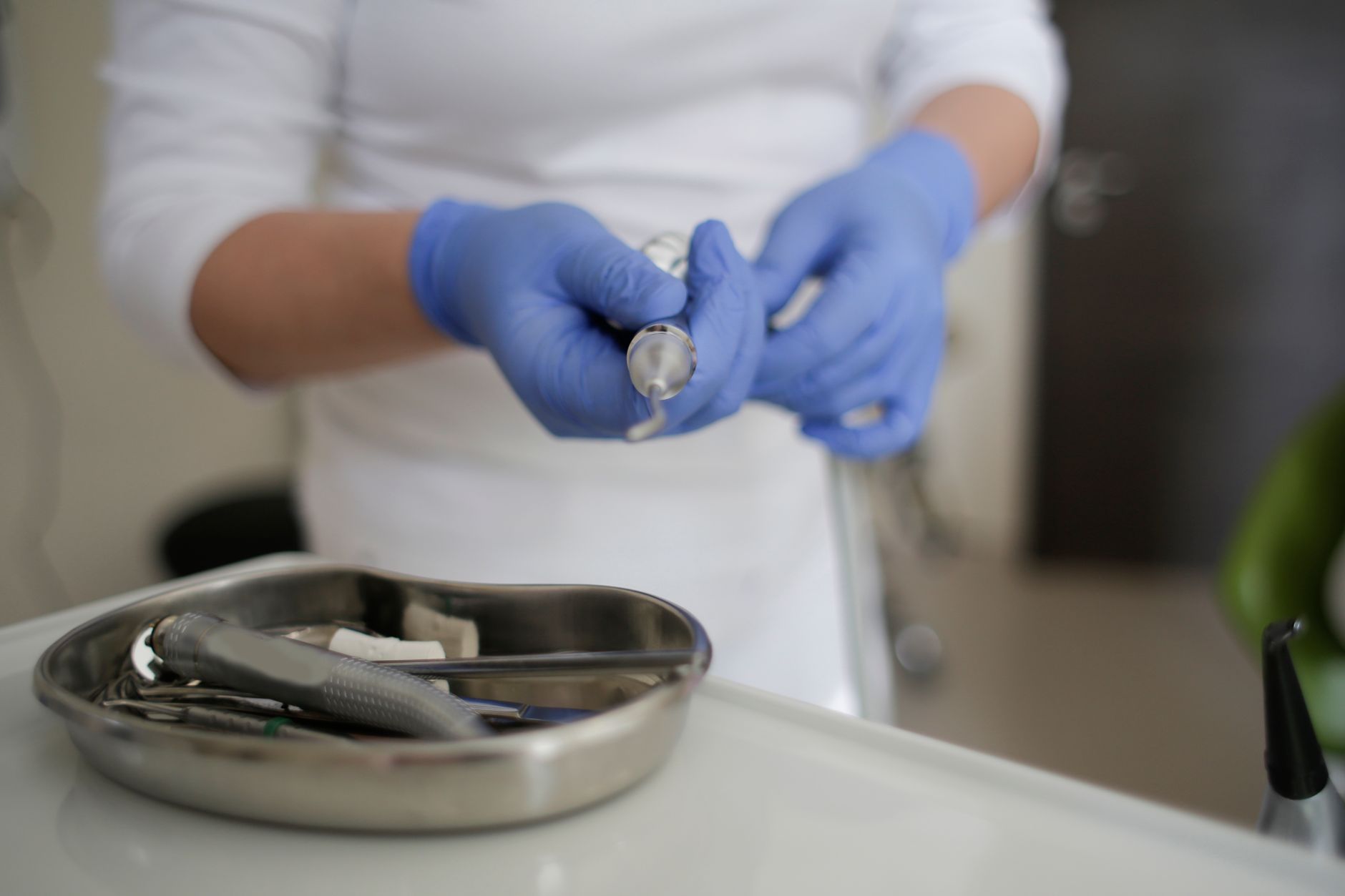
What a Sterile Processing Tech Course Is, and How It Differs From a Certificate
A sterile processing tech course is a non-credit class run by a college’s continuing education or workforce division, a school district’s adult program, or a training nonprofit. You pay one course fee, you sit in class for weeks rather than semesters, and you finish with a certificate of completion, not college credit. A credit certificate is the other route: you enroll as a college student, pay by the credit hour and earn credits that can count toward a degree later.
The two look alike in course listings, so here is how the 69 non-credit courses in this ranking compare with the 122 credit certificates on this site.
| Non-credit courses | Credit certificates | |
|---|---|---|
| Programs verified | 69 in 21 states | 122 in 30 states |
| Median length | 13 weeks (32 list a length) | 32 weeks (78 list a length) |
| Published cost range | $180 to $4,850 | $692 to $23,000 |
| Median published cost | $1,810 (49 publish one) | $3,739 (27 publish one) |
| Include all 400 CRCST hours | 13 | 28 |
| Exam fee or voucher in the price | 13 | 1 |
| Textbook in the price | 16 | 1 |
| Evening sections | 25 | 12 |
The pattern is clear. Courses are shorter and lower-cost, and they are far more likely to bundle the exam fee and textbook into one price. Credit certificates take about a school year and are more likely to place you for the full 400 hours. Neither is accredited by a programmatic body, because none exists for sterile processing. What matters is which certification a program prepares you for: HSPA’s CRCST (HSPA was formerly IAHCSMM) or CBSPD’s CSPDT.
Why These Sterile Processing Technician Courses Lead the Ranking
The score gives the most weight to hands-on training (35 points), then certification prep and published cost (25 each), then the school’s federal record in sterile processing (15). Every course in the top 11 offers 400 clinical hours, which is exactly what HSPA requires for full CRCST: 120 hours in decontamination, 120 in preparing and packaging, 120 in sterilization and disinfection, 24 in storage and distribution and 16 in quality assurance. A short course that leaves those hours to you can’t match that, however low its fee.
McHenry County College in Crystal Lake, Illinois takes first because it combines all three things a course can include: its $1,999 fee covers every required textbook, the course materials and the HSPA CRCST exam fee. You pass the exam first, then complete a 400-hour clinical internship on a preceptor’s schedule, which is HSPA’s provisional route built into the course.
Community College of Baltimore County ranks second with a $2,063 series total that includes the CRCST exam fee in its theory class. The four 100-hour clinical classes that make up the 400 hours are optional and cost $752 more, so the full route is a choice you make, not a default.
JVS Boston lists its 12-week, full-time program as free, with 10 hours a week of hands-on training in a hospital lab and then 400 hours with an employer partner. Its next start is March 2027.
Filter All 69 Short Courses Programs
Filter by credential, format, clinical hours, exam fee included, certification, schedule and state; tick up to three programs to compare them side by side.
69 programs
- Non-credit course
Certified Sterile Processing Technician (CSPDT) at Alamo Colleges District: Length, Clinicals and Exam Prep
Alamo Colleges District (Alamo Technical Institute) school profile and campuses · San Antonio, TX
- Weeks
- 225 months
- Hours
- 264instruction
- Clinical
- 112hours
- Cost
- $3,855published total
- Clinicals
- Exam voucher
- Non-credit courseCRCST prep
Central Sterile Processing Technician at Anne Arundel Community College: Tuition, Hours and Certification
Anne Arundel Community College school facts and programs · Arnold, MD
- Hours
- 84instruction
- Clinical
- Yesincluded
- Cost
- $2,050published total
- Clinicals
- Non-credit course
Sterile Processing (Certified Sterile Processing Technician) at Austin Community College: Cost, Length and Clinical Hours
Austin Community College sterile processing profile · Austin, TX
- Weeks
- 133 months, about 9 hours per week
- Clinical
- Yesincluded
- Cost
- $1,140published total, 2026-27
- Clinicals
- Non-credit course
Central Sterile Preparation Technician-Hybrid at Beaufort County Community College: Cost, Length and Clinical Hours
Beaufort County Community College school profile and campuses · Washington, NC
- Hours
- 240instruction
- Cost
- $205.25published total, 2026-27
- Non-credit courseCRCST prep
Central Sterile Processing Technician (HH-008) at Bergen Community College: Admission, Cost and Length
Bergen Community College school profile and campuses · Paramus, NJ
- Weeks
- 10
- Hours
- 460instruction
- Clinical
- 400hours, meets 400
- Cost
- $2,950published course fee, 2026-27
- Clinicals
- Non-credit courseCRCST prep
Central Sterile Processing Program at Borough of Manhattan Community College: Cost, Length and Clinical Hours
Borough of Manhattan Community College (CUNY) school facts and programs · New York, NY
- Weeks
- 10
- Clinical
- Yesincluded
- Cost
- $1,995published total
- Clinicals
- Non-credit courseCRCST prep
Sterile Processing Technician at Broome-Tioga BOCES: Cost, Length and Clinical Hours
Broome-Tioga BOCES school profile and campuses · Johnson City, NY
- Hours
- 123instruction
- Clinical
- 30hours
- Cost
- $1,810published total, 2026-27
- Clinicals
- Textbook
- Non-credit course
Sterile Processing Technician Program at Capital Region BOCES: Admission, Cost and Length
Capital Region BOCES school facts and programs · Albany, NY
- Weeks
- 30Part-time, September to March (7 months)
- Hours
- 270instruction
- Clinical
- Yesincluded
- Cost
- $3,940published total, 2026-27
- Clinicals
- Non-credit courseCRCST prep
In-Person CRCST Class (Sterile Processing Technician) at Central Sterilization Solutions: Cost, Length and Clinical Hours
Central Sterilization Solutions sterile processing profile · Corona, CA
- Weeks
- 35
- Clinical
- Yesincluded
- Cost
- $1,599published total, 2026
- Clinicals
- Non-credit courseCRCST prep
Sterile Processing Technician Certificate Program at Chesapeake College: Schedule, Cost and What It Includes
Chesapeake College school profile and campuses · Wye Mills, MD
- Weeks
- 133 months
- Clinical
- Yesincluded
- Cost
- $2,095published total
- Clinicals
- Non-credit course
Central Sterile Processing Technician at Coastal Carolina Community College: Tuition, Hours and Certification
Coastal Carolina Community College school facts and programs · Jacksonville, NC
- Cost
- $180published total, 2026-27
- Non-credit course
Sterile Processing Technician Certificate at College of the Mainland: Admission, Cost and Length
College of the Mainland school profile and campuses · Texas City, TX
- Weeks
- 172 to 4 months
- Clinical
- Yesincluded
- Clinicals
- Non-credit courseCRCST prep
Central Service Technician, Continuing Education Workforce Certificate at Community College of Baltimore County: Cost, Length and Clinical Hours
Community College of Baltimore County school profile and campuses · Essex, MD
- Hours
- 72instruction
- Clinical
- 400hours, meets 400
- Cost
- $2,063published total
- Clinicals
- Exam voucher
- Non-credit courseCRCST prep
Sterile Processing Technician at Community College of Rhode Island: Admission, Cost and Length
Community College of Rhode Island school profile and campuses · Warwick, RI
- Weeks
- 1515 weeks
- Exam voucher
- Textbook
- Non-credit course
Central Sterile Processing Technician (CSPT 0500) at Connecticut State Community College: Schedule, Cost and What It Includes
Connecticut State Community College programs at this school · New Britain, CT
- Hours
- 80instruction
- Clinical
- Yesincluded
- Cost
- $1,800published course fee, 2026-27
- Clinicals
- Non-credit course
Sterile Processing Technician Program at Corning Community College: Cost, Length and Clinical Hours
Corning Community College (SUNY Corning) sterile processing profile · Corning, NY
- Cost
- $1,560published total, 2026-27
- Exam voucher
- Non-credit courseCRCST prep
Central Sterile Processing Technician (PHM-CSTECH) at Craven Community College: Tuition, Hours and Certification
Craven Community College school facts and programs · New Bern, NC
- Clinical
- Yesincluded
- Clinicals
- Non-credit course
Sterile Processing Technician at Dallas College: Schedule, Cost and What It Includes
Dallas College school profile and campuses · Dallas, TX
- Weeks
- 17About 4 months
- Hours
- 216instruction
- Clinical
- 120hours
- Cost
- $1,960published total, 2026-27
- Clinicals
- Non-credit course
Central Sterile Processing at Davidson-Davie Community College: Tuition, Hours and Certification
Davidson-Davie Community College school profile and campuses · Thomasville, NC
- Weeks
- 1212 weeks
- Hours
- 180instruction
- Cost
- $286.50published total, 2026-27
- Non-credit courseCRCST prep
Sterile Processing Technician at Del Mar College: Length, Clinicals and Exam Prep
Del Mar College school profile and campuses · Corpus Christi, TX
- Hours
- 80instruction
- Clinical
- Yesincluded
- Cost
- $900published total
- Clinicals
No programs match these filters.
Program facts come from each school's own pages, reviewed November 2026. Cost is the price the school publishes for the whole program (a total or a single course fee); per-credit rates show as rates. Published prices often leave out the exam fee, books and background checks. Clinical hours, the exam fee and the textbook show as included only where the program's page says so; certification tags show the exams the page names.
What the Best Courses Include in One Fee
A course fee can mean very different things. Some cover the textbook, the exam and a hospital placement; others cover registration and nothing else. Of the 69 courses, 52 include some clinical time, 13 reach the full 400 hours, 16 include the textbook and 13 include the exam fee or a voucher.
| Course | Published fee | Clinical hours | Textbook | Exam fee |
|---|---|---|---|---|
| McHenry County College | $1,999 | 400 | Included | CRCST included |
| Rowan College at Burlington County | $2,750 | 400 | Included | One attempt included |
| Delaware Technical Community College | $3,595 | 400 | Included | Included |
| University of Central Missouri | $3,645 | 400 | Included | Included |
| Delaware County Community College | $1,295 | 400 | Books included | Voucher extra |
| Bergen Community College | $2,950 | 400 | Extra | Extra |
| Temple College | $2,234 | 80 | Included | Included |
| Northeast Iowa Community College | $2,399 | Optional volunteer placement | Included | CRCST voucher included |
Delaware Tech’s $3,595 is the most complete price in the set: textbooks, background check, drug screening, certification exam fees, supplies and the 400 internship hours. Delaware County Community College is the lowest-cost course with 400 hours built in at $1,295, but you buy the testing voucher yourself. Bergen’s $2,950 leaves out books, certification fees and scrubs.
At the low end, read the itemized fees. Piedmont Community College charges $353 at registration, which already includes a $124 background check and drug screen, then lists the $165 textbook and $135 credentialing exam as extras. The course cost guide walks through these add-ons, and the course cost calculator totals them for the courses you are comparing.
How a Course Leads to CRCST or CSPDT
The two certifications treat a course very differently, and that decides how far a short course takes you.
| CRCST (HSPA) | CSPDT (CBSPD) | |
|---|---|---|
| Does finishing a course qualify you? | No. HSPA says passing a course does not equal certification | Yes. Completing a training course with a grade of 70 or higher is one eligibility route |
| Hands-on hours | 400 in a sterile processing department, or within six months of passing (provisional) | Not required on the course route |
| Exam | 150 questions, three hours, at a Prometric testing center | 150 questions, including 25 unscored pretest questions |
| Exam fee | $140 | $135 |
| Courses in this set that name it | 36 | 20 |
The CSPDT route is the one a short course completes on its own. A course like Durham Technical Community College’s 216-contact-hour hybrid course ($257.25) prepares you for CBSPD’s exam, and completing it with a passing grade makes you eligible. North Carolina’s community colleges lean this way, and 12 of the 69 courses are there; see the North Carolina rankings.
The CRCST route needs the hours. A CRCST course without a placement gets you to provisional status at most. Guilford Technical Community College says so plainly: its $328 course makes you eligible for the exam and provisional CRCST, but its clinical or simulation time doesn’t count toward the 400 hours. After you pass, you have six months to log them, with a one-time two-month extension if you work or volunteer in a sterile processing department. The CRCST hours planner maps the 400 hours across HSPA’s five areas. The CRCST guide and CSPDT guide cover each application in full.
Paying for a Course When Federal Aid Doesn’t Apply
Federal student aid is tied to eligible programs, and federal rules set a minimum size for career programs at vocational and for-profit schools: at least 15 weeks of instruction and 600 clock hours (or 16 semester hours). The non-credit courses in this ranking that list clock hours have a median of 123. Several schools say outright that their course isn’t eligible for federal aid, including the University of Central Missouri, Kishwaukee College, Frederick Community College and Connecticut State Community College.
What courses accept instead is local and specific:
- Workforce funding. Delaware Tech is WIOA approved and links a SEED free-tuition application. Connecticut State accepts WIOA and SNAP funding. Oakland Community College in Michigan names Michigan Works! and the Michigan Achievement Skills Scholarship.
- State and college programs. Wake Tech’s Propel scholarships can cover registration and fees. Virginia Western Community College lists $3,198 tuition, or $1,066 with FastForward tuition assistance. Chesapeake College names the EARN Maryland grant.
- No-cost seats. The Community College of Rhode Island lists its course as free for accepted students, including books, supplies and the CRCST exam fee. Des Moines Area Community College offers free training, books and supplies to qualified applicants.
- Payment plans and deposits. Nebraska Methodist College holds a seat with a $250 deposit on its $795 course. Kishwaukee and LaGuardia Community College offer payment plans; Queensborough Community College does not.
Registration, Start Dates and What to Have Ready
Courses fill by section, not by semester, and the timing catches people out.
- Starts are fixed and few. Vance-Granville Community College starts in February, May, August and November. Delaware Tech starts in January, March and June. Capital Region BOCES in Albany starts once a year, in September.
- Some applications open months ahead. Portland Community College takes applications from November 16, 2026 for its January 4, 2027 start. Des Moines Area Community College reopens applications in fall 2027 for its spring 2028 class.
- Money is due early. Capital Region BOCES asks for a $35 application fee and a $100 commitment fee credited to tuition, with half of the $3,940 tuition due by the first day.
- Screenings come before the hospital. Clinical courses build in background checks and drug screens: $120 at Wilson Community College, $206 at Portland. Durham Tech adds a 4-hour BLS course, and Chesapeake College requires a medical terminology prerequisite.
Use the program finder to list the courses near you, then check each one’s next section before it fills.
Sterile Processing Technician Classes for Working Adults
25 of the 69 courses run evening sections and 4 run weekends, more evening sections than any other program type on the site. The catch is the clinical time, which follows hospital shifts.
- Bergen Community College offers Hackensack evening classes (Monday and Thursday, 5:00 to 8:30 pm) and Paramus evening or daytime sections, then a 400-hour unpaid internship with shifts from 7 am to 3 pm, 3 to 11 pm or 11 pm to 7 am.
- Rowan College at Burlington County teaches Monday, Tuesday and Thursday from 6 to 8 pm, but its clinical placement typically runs 7:30 am to 3:30 pm on weekdays.
- Central Sterilization Solutions in Corona, California runs a Wednesday evening cohort and a Saturday morning cohort. Its $1,599 Base level is the entry price; only the $2,399 Premium level adds the internship placement.
- Niagara County Community College in New York holds clinicals at Mercy Hospital in Buffalo on Saturday mornings or Thursday evenings, for $1,350 plus books and the $135 exam fee.
More schedules are in the evening and weekend rankings.
When a Credit Certificate Is the Better Choice
A course is the faster, lower-cost door in, but a credit certificate wins in a few situations.
- You want credit that builds toward a degree. Course completion and CEUs don’t transfer as college credit. Credit certificates carry a median of 17 credits.
- You need a structured path to all 400 hours. 28 credit certificates place you for the full 400, against 13 courses.
- You’d rely on federal aid. A course whose school says it isn’t aid-eligible has to be paid from savings, an employer or a workforce program.
The community college rankings compare credit certificates side by side, and the online and hybrid rankings cover both formats if you need remote coursework.
Which Course Fits Your Situation
You already work in a hospital. A low-cost course is enough, because your department supplies the 400 hours. Guilford Tech at $328 or Durham Tech at $257.25 gets you through the coursework; log the hours on the job.
You have no healthcare experience. Choose a course that places you for all 400 hours, such as McHenry County College, Delaware County Community College or Rowan College at Burlington County. Finding a department that takes an outside volunteer is the hardest part of CRCST, and these courses do it for you.
You want certified fast without a placement. A CSPDT course is the direct route: finish with a grade of 70 or higher and apply to CBSPD.
Before you register, check these against each course’s page:
- Clinical hours in writing, and whether they count toward HSPA’s 400. Guilford’s don’t.
- Which exam the course targets: 36 name CRCST and 20 name CSPDT.
- What the fee leaves out: books, exam, screenings, scrubs.
- When the clinical shifts run, not just the classes.
- Whether your state sets certification rules in law, in the state requirements guide.
Frequently Asked Questions
Do You Have to Take a Course Before the CRCST Exam?
No. HSPA says you don't have to take or pass a preparatory course, and that passing a course does not equal certification. What CRCST requires is 400 hours of hands-on experience in a sterile processing department, either before you apply or within six months after you pass the exam.
How Much Does a Sterile Processing Tech Course Cost?
Among the 49 non-credit courses that publish a fee, the range is $180 to $4,850 and the median is $1,810. The low end is North Carolina's community colleges, such as Coastal Carolina Community College at $180 for registration; the high end is Piedmont Technical College in South Carolina at $4,850.
How Long Are Sterile Processing Technician Classes?
The median is 13 weeks among the 32 courses that list a length, and 123 clock hours among the 26 that list hours. Nebraska Methodist College runs eight weeks; Rowan College of South Jersey takes 6 to 9 months because it includes a 400-hour clinical placement.
Can You Take a Sterile Processing Technician Course Online?
Partly. 28 of the 69 courses teach online or in a hybrid format, and 2 are fully online: Kishwaukee College's CE 086 ($1,300, CSPDT prep) and Lehman College's STR100 (CRCST prep). The 400 CRCST hours still happen in person in a sterile processing department.
Does a Non-Credit Course Count Toward a College Degree?
Not as college credit. Some courses award continuing education units instead, such as Delaware Technical Community College's 20 CEUs and the University of Central Missouri's certificate of completion with CEUs. If you want credit that stacks toward an associate degree, choose a credit certificate.
What Is the Exam Fee if Your Course Doesn't Include It?
HSPA's initial CRCST exam fee is $140, and CBSPD's CSPDT exam fee is $135. Courses such as Piedmont Community College and Niagara County Community College list the $135 CSPDT fee as a separate cost.
More Sterile Processing Rankings and Guides
- Best Sterile Processing Technician ProgramsEvery verified program, scored on hands-on hours, certification prep, cost and track record; 212 programs
- Best Online Sterile Processing Technician ProgramsOnline and hybrid programs, and how each one gets you hands-on hours; 71 programs
- Most Affordable Sterile Processing Technician ProgramsPrograms ranked by the whole-program price each school publishes; 85 programs
- Best Sterile Processing Certification ProgramsPrograms that prepare you for HSPA's CRCST or CBSPD's CSPDT exam; 149 programs
- Best Sterile Processing Technician Programs With ExternshipsPrograms with clinical hours in a hospital sterile processing department; 164 programs
- Best Accelerated Sterile Processing Technician ProgramsPrograms a school says take 16 weeks or less; 43 programs
- Best Community College Sterile Processing ProgramsPrograms at public community and technical colleges; 146 programs
- Best Evening and Weekend Sterile Processing ProgramsPrograms with evening or weekend classes for people who work; 41 programs
- Sterile Processing CertificationThe two national sterile processing certifications, HSPA's CRCST and CBSPD's CSPDT, who can sit each exam and which programs prepare you for them
- How Long Training TakesHow many weeks, instruction hours and clinical hours sterile processing programs take, by credential, from verified program pages
- Course Cost and Financial AidWhat sterile processing courses and certificates cost, from published program prices, what the price leaves out and how to pay for it
- Rankings by StateThe best programs in every state
- All Sterile Processing RankingsEvery ranking on one page
Sources
- Official program, tuition and admissions pages of each school listed, reviewed November 2026
- U.S. Department of Education, IPEDS 2022-23 completions: sterile processing awards (CIP 51.1012)
- Healthcare Sterile Processing Association (HSPA): CRCST certification
- Certification Board for Sterile Processing and Distribution (CBSPD)
- HSPA: CRCST certification application and requirements
- CBSPD: Sterile Processing and Distribution Technician certification
- eCFR: 34 CFR 668.8, eligible program (federal student aid)