Comparison
Sterile Processing Technician vs Surgical Technologist
Sterile Processing Technician or Surgical Technologist: Which Should You Train For?
In sterile processing vs surgical tech, the trade is speed against pay: sterile processing training runs a median of 26 weeks and leads to a $47,700 median salary, while surgical technologists need a certificate or associate degree from an accredited program and earned a $64,650 median in May 2025. Sterile processing technicians clean, assemble and sterilize instruments away from patients; surgical technologists work inside the operating room passing those instruments to the surgeon. Compare the 212 verified sterile processing programs if the faster route suits you.
Sterile Processing vs Surgical Tech Side by Side
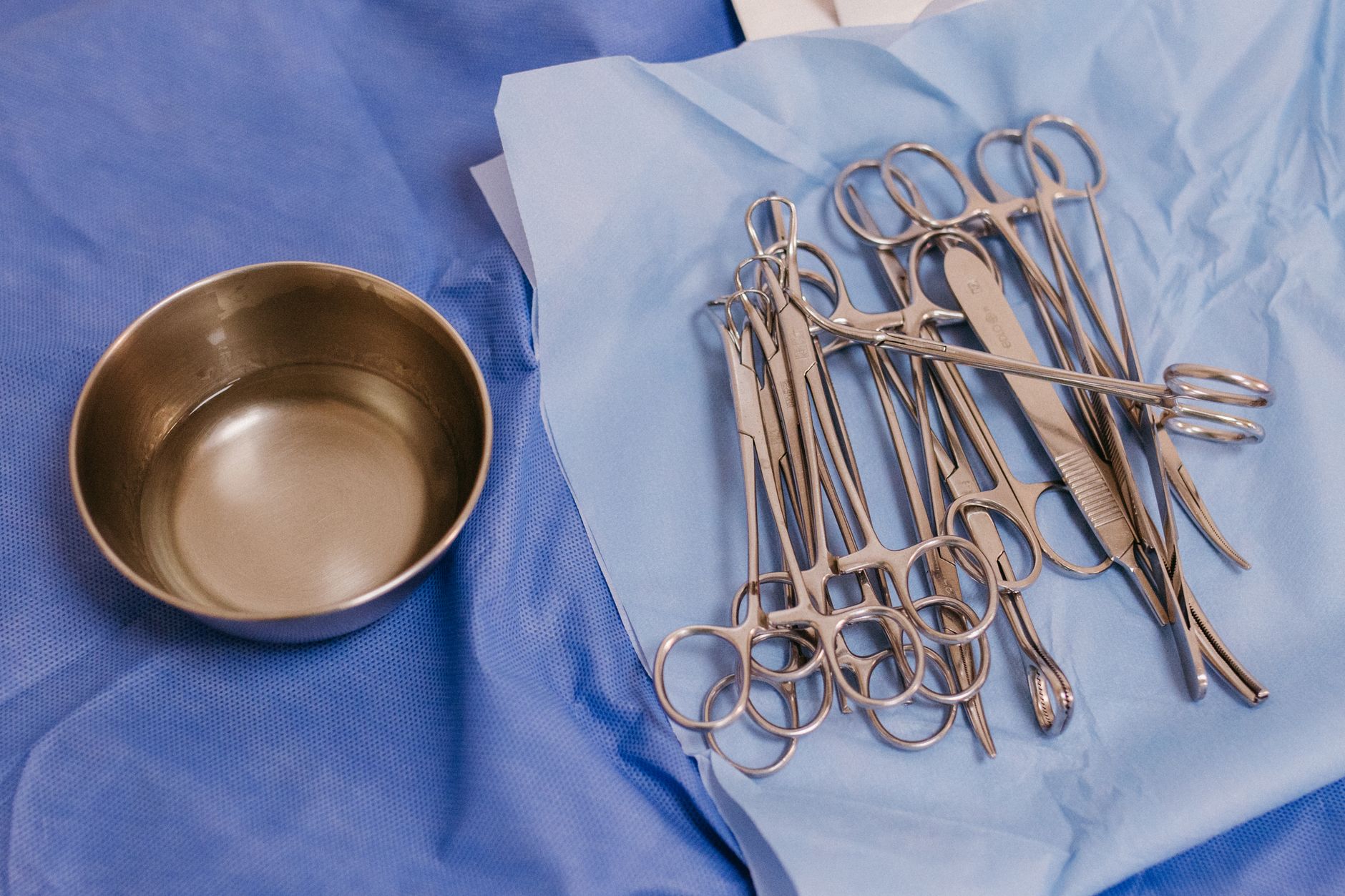
Both jobs keep surgery safe, and both revolve around the same instruments. The difference is where you stand. A sterile processing technician works in the department behind the operating rooms, turning used instruments into sterile, complete sets. A surgical technologist works at the table, handing those sets to the surgeon.
| Sterile processing technician | Surgical technologist | |
|---|---|---|
| Median program length | 26 weeks across 212 verified programs | Certificate or associate degree (BLS) |
| Program accreditation | No programmatic accreditor | Accredited surgical technology program needed for the CST |
| Main credential | CRCST (HSPA) or CSPDT (CBSPD) | CST (NBSTSA) |
| Exam questions | 150 for either credential | 175, 150 scored |
| Where you work | Sterile processing department | Operating room |
| Patient contact | Rare | Every case |
| Median annual pay, May 2025 | $47,700 | $64,650 |
| Jobs nationally, May 2025 | 77,420 | 117,460 |
The pay gap is real, and so is the training gap. The rest of this page explains both, so you can decide which trade suits you.
What Each Job Looks Like Day to Day
Sterile Processing: The Instrument Cycle
Your day follows the cycle HSPA builds its CRCST hours around: decontamination, then inspection and assembly, then sterilization, then storage and distribution, with quality checks throughout. You clean instruments by hand and in washers, inspect each piece, build trays to a count sheet, run sterilizers and record every load. Your customer is the operating room, but you rarely see a patient.
Surgical Technology: Inside the Case
The Bureau of Labor Statistics lists the surgical technologist’s duties as preparing operating rooms, sterilizing equipment and checking supplies, getting patients ready by washing and disinfecting incision sites, passing instruments and sterile supplies to surgeons during the operation, counting supplies so nothing is left in a patient, and keeping the field sterile. You stand through the case, scrubbed in, and the surgeon depends on your speed.
The overlap is instrument knowledge. A surgical technologist has to know every instrument by name and use. A sterile processing technician has to know every instrument by name, condition and place in the tray.
Where the Two Jobs Meet
The two roles hand work back and forth all day. Sterile processing builds the trays and case carts the surgical team opens at the start of a case. When the case ends, the used instruments go back down to decontamination, and the cycle starts again. A missing clamp or a wet pack found at the table becomes a problem for both teams, which is why HSPA counts quality assurance among the five areas of CRCST hours. If you like the idea of surgery but not of standing at the table, sterile processing keeps you close to the operating room without putting you in it.
How Long the Training Takes
Sterile processing is the faster door. Across the 212 verified programs, the median length is 26 weeks, the median is 264 clock hours where programs count in hours, and 16 credits where they count in credits. Short options exist:
| Sterile processing credential | Programs | Median length | Median published cost |
|---|---|---|---|
| Non-credit course | 69 | 13 weeks | $1,810 |
| Credit certificate | 122 | 32 weeks | $3,739 |
| Diploma | 20 | 22 weeks | $2,891 |
Surgical technology asks more. BLS says surgical technologists typically need a certificate or associate degree from an accredited surgical technology program, with courses such as anatomy, microbiology and physiology and supervised clinical experience. To sit for the CST, NBSTSA requires that you graduate from an accredited surgical technology program or come through a military program.
For a fuller breakdown of sterile processing timelines, see how long sterile processing training takes.
Credentials: CRCST and CSPDT vs the CST
Sterile processing has two entry credentials and no programmatic accreditor, so the certification exam carries most of the weight.
- HSPA’s CRCST costs $140 and needs 400 hours of hands-on work in a sterile processing department, paid or volunteer. You can log them before the exam or within six months after passing, as a provisional CRCST. 120 of the verified programs prepare you for it.
- CBSPD’s CSPDT costs $135 to take. A sterile processing training course passed with a grade of 70 or higher qualifies you to test. 46 programs prepare you for it.
Surgical technology runs through NBSTSA’s CST, a 175-question exam. Eligibility comes from finishing the accredited surgical technology program, not from on-the-job hours. Some states also regulate surgical technologists, according to BLS, so check your state’s rules before you enroll.
The guides to the CRCST and the CSPDT cover the sterile processing exams in detail, and the state certification checker shows where sterile processing has its own legal requirements.
Sterile Processing Technician vs Surgical Technologist Pay
| Role | Jobs | Bottom tenth earns | Median pay | Top tenth earns |
|---|---|---|---|---|
| Sterile processing technicianMedical equipment preparers (SOC 31-9093), $22.93 an hour at the median | 77,420 | $36,410 | $47,700 | $69,950 |
| Surgical technologistSurgical technologists (SOC 29-2055), $31.08 an hour at the median | 117,460 | $45,940 | $64,650 | $96,940 |
BLS Occupational Employment and Wage Statistics, May 2025, national annual wages. "Bottom tenth" and "top tenth" are the 10th and 90th percentiles.
What Sterile Processing Training Costs and Includes
Cost is where sterile processing pulls furthest ahead for a career changer. Of the 212 verified programs, 85 publish a price, and those prices run from $180 to $23,000, with a median of $2,095. Non-credit courses sit at the low end, topping out at $4,850, while the highest price, $23,000, belongs to a credit certificate.
What the price buys varies, so read each listing for these three things:
- Clinical hours. 164 programs include clinical or lab hours, and 43 state hours that reach the full 400 the CRCST needs. A program that reaches 400 lets you finish school ready for full certification instead of provisional status.
- The exam fee. 14 programs include the exam fee or a voucher, and 19 include the textbook.
- Format. 71 programs put coursework online, and 68 of those are hybrids with in-person lab or clinical time. Online theory still leaves the hands-on hours to arrange.
Compare prices in the sterile processing course cost guide, see the lowest published prices among the affordable sterile processing programs, or browse online sterile processing programs if you need to study around a job.
Sterile Processing vs Surgical Tech Pay
Surgical technologists earn more at every point in the range. The May 2025 BLS figures:
- Median: $64,650 for surgical technologists ($31.08 an hour) against $47,700 for sterile processing technicians ($22.93 an hour).
- Bottom tenth: $45,940 against $36,410.
- Top tenth: $96,940 against $69,950.
The higher pay comes with longer, accredited training and the responsibility of working inside the case.
Sterile processing pay depends heavily on where you live. California’s median was $61,370 and Washington’s $58,830, while Mississippi’s was $35,160. See every state’s figures in the sterile processing careers and salary guide.
BLS projects surgical assistant and technologist jobs to grow 5 percent from 2025 to 2035, faster than average, with about 8,600 openings a year. Hospitals employ 71% of surgical technologists, physician offices 11% and outpatient care centers 10%.
Who Each Path Suits
Choose sterile processing if you want to be working within months, you prefer focused, hands-on work away from patients, or you already work in a hospital and can log CRCST hours on the job. Non-credit courses have a median published cost of $1,810, and 38 programs run in the evening.
Choose surgical technology if you want higher pay and you can commit to a longer accredited surgical technology program with clinical rotations, and you want to be in the operating room during surgery, on your feet and part of the surgical team.
Start in sterile processing and decide later if you need income now. You learn the instruments, the hospital and the operating room schedule while you earn, then apply to a surgical technology program with a clear picture of the work. Your sterile processing hours won’t count toward the CST, but the instrument knowledge carries over.
Sterile Processing Programs to Compare
If sterile processing is your choice, these verified programs show the range of formats:
- Kishwaukee College’s online sterile processing course in Malta, Illinois, takes one 16-week semester and costs $1,300 including textbooks and supplies for 2026-27. It prepares you for the CSPDT, so the course itself can make you eligible to test. See the Kishwaukee College profile.
- Herzing University-Madison’s online sterile processing diploma is 24 semester credits and 420 total hours, 300 of them online lecture and 120 lab hours, in as few as 10 months at $530 per credit. Graduates can take the CSPDT or the provisional CRCST, and the credits build a transcript if you later head toward a degree. See the Herzing University-Madison profile.
- Lehman College’s online STR100 course in the Bronx is 80 hours with an optional hands-on placement, prepares you for the CRCST, and includes textbooks and materials in tuition. See the Lehman College (CUNY) profile.
Find programs near you with the program finder, and if you are going the CRCST route, map your 400 hours with the CRCST hours planner.
How to Decide in One Afternoon
Work through these questions:
- How soon do you need a paycheck? If it is within a year, sterile processing fits: the median program runs 26 weeks.
- Can you finish an accredited surgical technology program? That is the only civilian route to the CST.
- Do you want patient contact? Surgical technologists have it in every case; sterile processing technicians rarely do.
- What does your state pay? Check the sterile processing median for your state on the careers guide against the national surgical tech median of $64,650.
- Can you get hours? If you work in a hospital already, the CRCST hours may come with the job. If not, choose a program with clinical hours or aim for the CSPDT.
When you have chosen sterile processing, the step-by-step guide to becoming a technician covers what comes next.
Frequently Asked Questions
Can a Sterile Processing Technician Become a Surgical Technologist?
Yes, but the experience doesn't replace the schooling. NBSTSA's CST exam requires graduation from an accredited surgical technology program or a military program, so you would still complete that program. Instrument knowledge from sterile processing gives you a head start in it.
Do Surgical Technologists Sterilize Instruments Too?
Partly. BLS lists sterilizing equipment and making sure supplies are ready among surgical technologists' duties, but their main work is in the operating room: preparing patients, passing instruments and counting supplies. The full cleaning, inspection and sterilizing cycle belongs to sterile processing.
Is Sterile Processing a Good Stepping Stone Into Surgery?
It puts you in the hospital, around surgical instruments and the operating room schedule, while you earn. The national median for sterile processing was $47,700 in May 2025.
How Many Questions Are on Each Certification Exam?
HSPA's CRCST has 150 multiple-choice questions in three hours, CBSPD's CSPDT has 150 questions including 25 unscored pretest items, and NBSTSA's CST has 175 multiple-choice questions, 150 of them scored.
Which Job Has More Positions Nationally?
BLS counted 117,460 surgical technologists and 77,420 medical equipment preparers, the federal category for sterile processing technicians, in May 2025.
Is Surgical Tech Work Growing?
BLS projects employment of surgical assistants and technologists to grow 5 percent from 2025 to 2035, faster than average, with about 8,600 openings a year.
Keep Reading
- Salary and CareersWhat sterile processing technicians earn nationally and in every state (BLS OEWS), the spread from entry level to the top tenth, and the roles the job leads to
- How to Become a Sterile Processing TechThe training, hands-on hours, certification exam and hiring requirements that take you from no experience to your first sterile processing job
- Sterile Processing CertificationThe two national sterile processing certifications, HSPA's CRCST and CBSPD's CSPDT, who can sit each exam and which programs prepare you for them
- CRCST Certification (HSPA)HSPA's Certified Registered Central Service Technician credential, its 400 hands-on hours, provisional status and the programs that prepare you
- Best Sterile Processing Technician ProgramsEvery verified program, with the finder
Sources
- BLS OEWS, May 2025: Medical Equipment Preparers (31-9093)
- BLS OEWS, May 2025: Surgical Technologists (29-2055)
- BLS Occupational Outlook Handbook: Surgical Assistants and Technologists
- HSPA: CRCST certification application
- CBSPD: CSPDT technician certification exam
- NBSTSA: CST eligibility
- U.S. Bureau of Labor Statistics, Occupational Employment and Wage Statistics, May 2025: Medical Equipment Preparers (31-9093)
- BLS OEWS, May 2025: Surgical Technologists (29-2055)